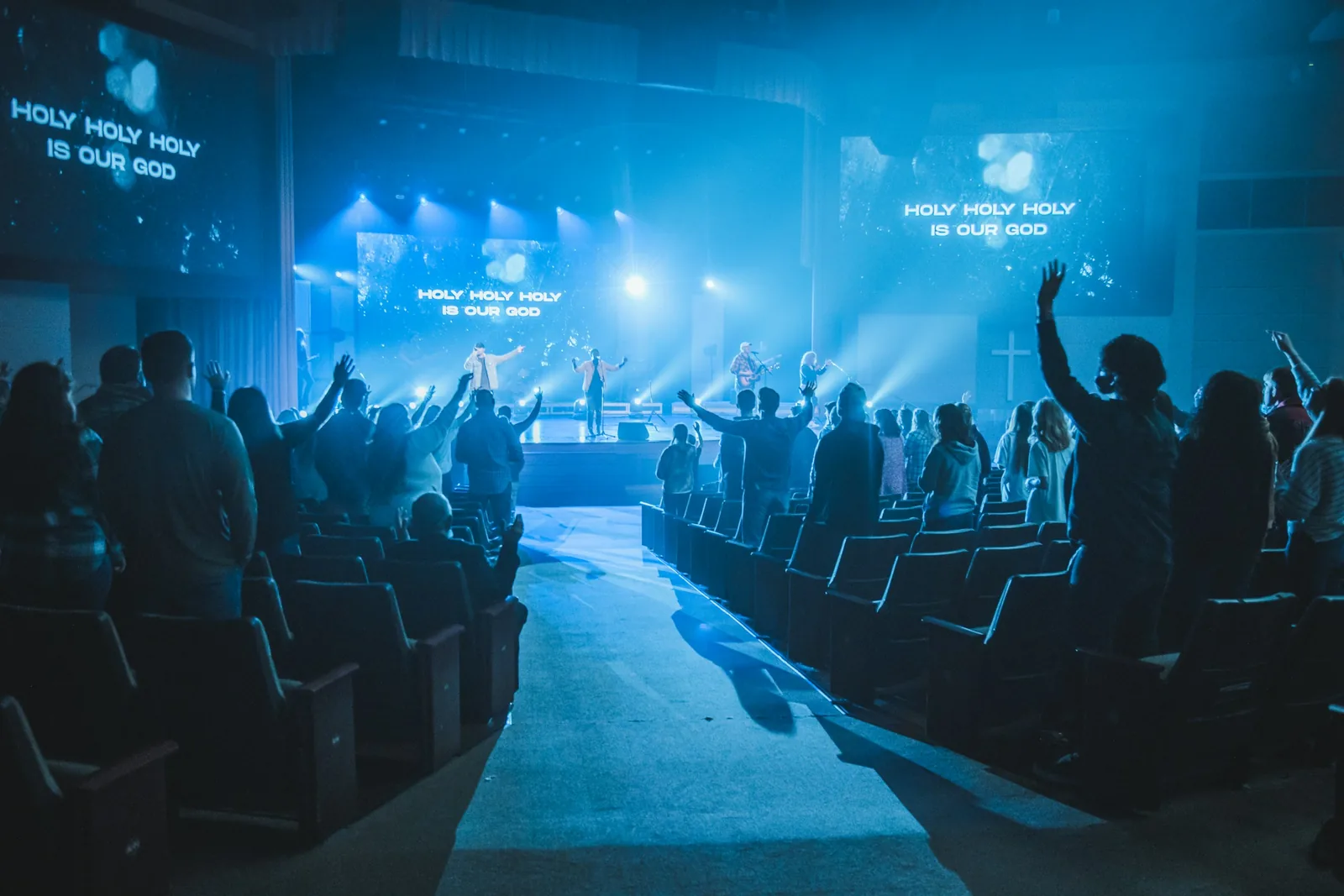
Short answer: Sort church marketing ideas by where a guest is: before the visit (be easy to find and easy to invite someone to), the first visit (a predictable Sunday) and the week after (a personal note and one next step). Give each idea its own tracked link so you can see which one brought people.
Sort church marketing ideas into three guest stages
The best church marketing ideas aren't the cleverest ones. They're the ones that move a real person one step closer: from never having heard of your church, to a first visit, to a second. So sort your ideas by where the guest is, not by channel. Before the visit, be easy to find and easy to invite someone to. During the visit, make Sunday predictable. In the week after, follow up personally and offer one next step.
The quickest wins: a complete Google Business Profile, a plan-your-visit page with a "let us know you're coming" form, one shareable page per event, invite cards with a QR code, short videos that answer a newcomer's questions, and a personal note to every first-time guest within a day or two.
Research backs putting the visit at the center. In a 2016 Pew Research Center report on choosing a congregation, roughly one-third of U.S. adults said they had looked for a new place of worship because they moved, and 85% of those who had looked said they attended services at a church they were considering. Searching online was far more common among adults under 30 (59%) than among those 65 and older (12%). Younger guests often start online, but Pew found that seeing a congregation firsthand still counts for far more than anything they read. The room is where they decide.
Below are practical ideas for each stage, written for pastors and volunteers at small and mid-size churches, plus a simple way to see which idea actually brought someone.
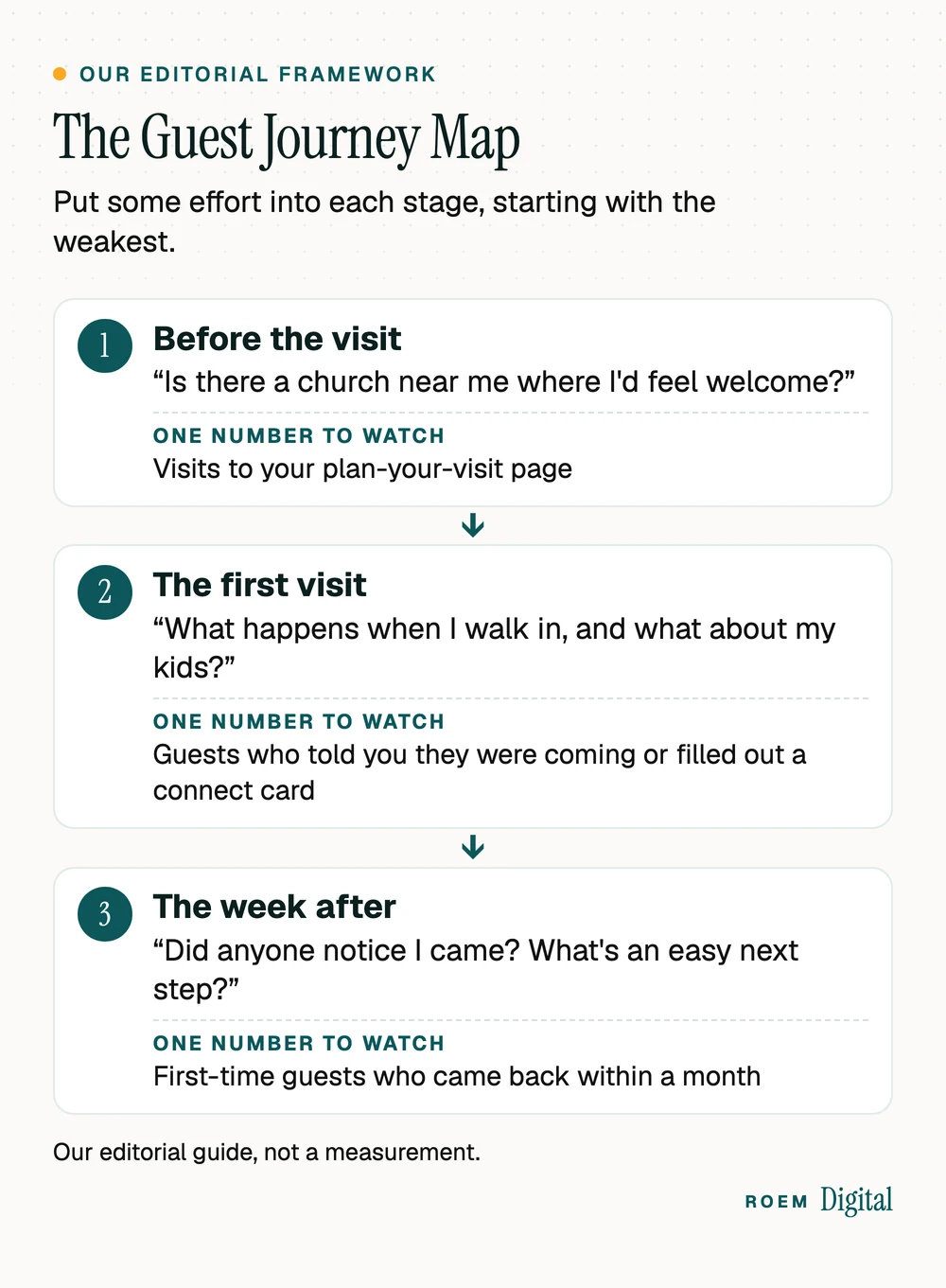
We call this the Guest Journey Map. It's our editorial framework, not a formal study: three stages, the question a guest is asking at each one, and one number that tells you whether that stage is working.
| Stage | What the guest is asking | One number to watch |
|---|---|---|
| Before the visit | Is there a church near me where I'd feel welcome? | Visits to your plan-your-visit page |
| The first visit | What happens when I walk in, and what about my kids? | Guests who told you they were coming or filled out a connect card |
| The week after | Did anyone notice I came? What's an easy next step? | First-time guests who came back within a month |
A lot of church marketing advice stops at stage one: more posts, more ads, more reach. But a guest who visits once and never hears from you again is a missed welcome, not a win. Put some effort into each stage, starting with the weakest. If plenty of people visit and few return, a new ad campaign won't fix it. Better follow-up will.
Marketing is also only a small part of how to grow your church. It can't replace the life of the congregation itself, and it shouldn't try. These ideas cover the guest-facing part: helping people find you, visit and come back. Our page on church websites and church marketing covers what a plan-your-visit page and a church website should include, so this guide focuses on the ideas around them.
Before the visit: church outreach ideas that get you found and invited
Stage one has two jobs: show up when someone nearby searches, and give your members something easy to share. These church outreach ideas cost little and work for small churches.
Let your Google Business Profile do the first welcome
For many newcomers, your Google listing is the first thing they see. Claim and verify it, choose the category that matches your church, and add real photos of your building, your entrance and your people (with their permission). Our Google Business Profile checklist walks through each setting.
One detail matters for churches. Google's guidelines for representing your business say businesses with varied schedules shouldn't provide hours, and they name worship services as an example. So put service times on your website's first screen, then use profile posts to keep them in view. Google lets you set a profile post to repeat weekly or monthly, and an Event post with start and end times suits a Christmas Eve or Easter service.
Turn events into outreach
Events give members an easy reason to invite a friend: a back-to-school blessing, a community cookout, a concert, a youth night or a food pantry day. Give each event one short link and put it everywhere members already look: the bulletin, the invite card, the group text and every post.
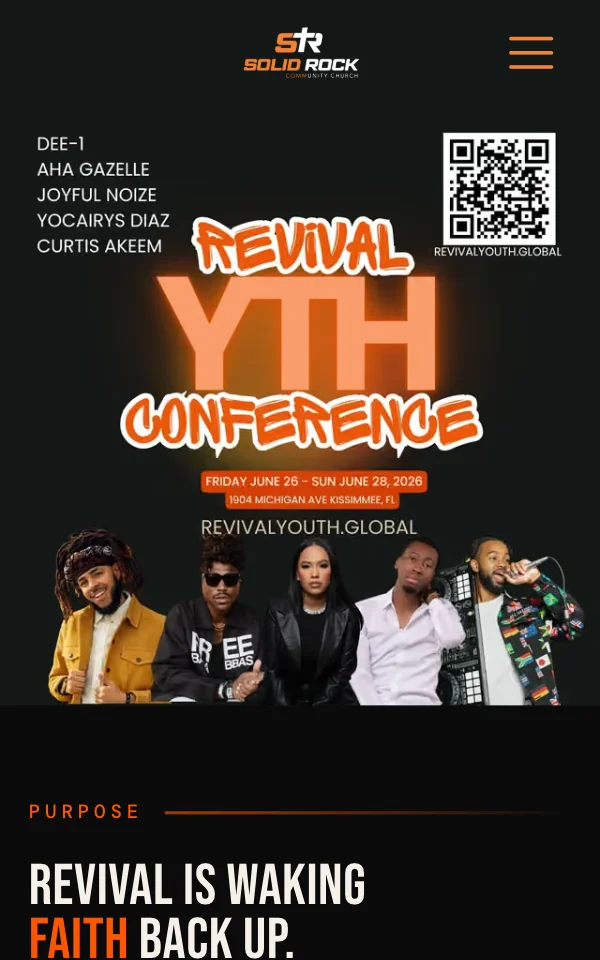
For Youth Revival 2026, a Christian youth conference for Solid Rock Community Church, we built a dedicated event site with the schedule, lineup, FAQs and online ticketing. You can see the event site and others in our portfolio of client work.
Church social media ideas that answer a newcomer's questions
The most useful church social media ideas answer what a nervous first-timer wonders about. A few that work for small teams:
- A short video walking from the parking lot to the front door
- Meet the greeters who will say hello on Sunday
- What kids' check-in looks like, filmed with parents' permission
- A short sermon clip with next Sunday's service time
- Photos from serve days, posted only with permission from everyone shown
Post on a rhythm your team can keep for a year. Our guide to what to post on social media covers cadence and what to skip, and our social media management service is there if your volunteers are stretched thin.
Church advertising ideas for a small budget
Paid church advertising works best when it promotes something specific with a date: an Easter service, a parenting class, a youth night. Church Facebook ads can put that invitation in front of people who live near you. Write the ad as an invitation, not as a guess about the reader's faith or struggles, and send the click to the event page, not your homepage. Our comparison of Facebook and Instagram ads vs Google Ads explains when each one fits.
If your church qualifies for Google for Nonprofits, look at Google Ad Grants. Google offers eligible organizations up to $10,000 USD per month in Search ads, with account rules that our guide covers. Our guide to Google Ad Grants for churches covers who qualifies and how to keep the account active.
Reach neighbors in the language they speak
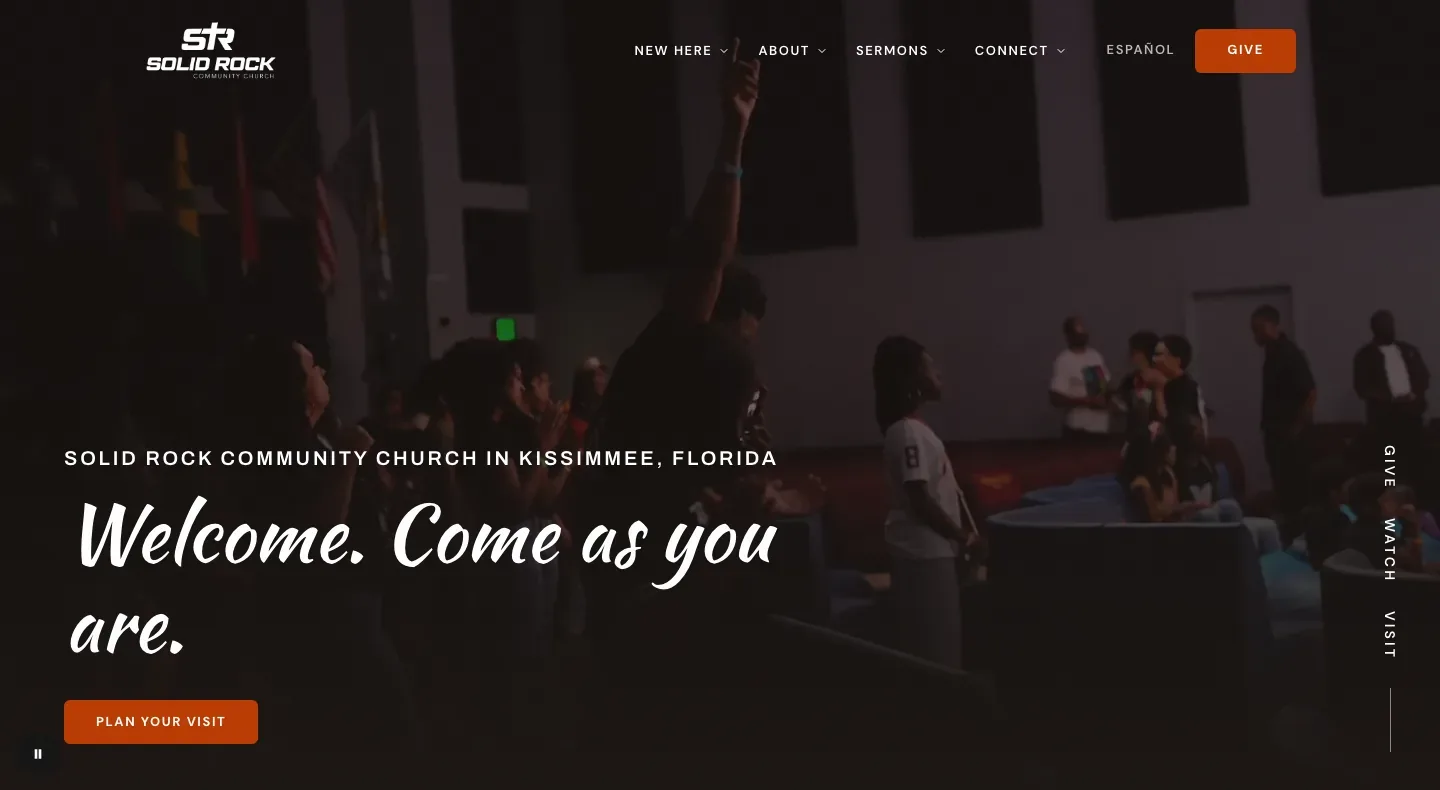
If your church holds a Spanish service, or many of your neighbors speak Spanish, give Spanish speakers their own pages instead of an automatic translate button. Google recommends a separate URL for each language version of a page, and warns it might not find content that only changes with a visitor's language settings. The Solid Rock Community Church site we built runs in English and Spanish. Our bilingual marketing service explains how we set up pages in both languages, and our guide to Hispanic marketing strategy goes deeper.
The first visit: make Sunday predictable before anyone arrives
In the same Pew Research Center study, 83% of people who had looked for a new congregation said the quality of preaching mattered to their choice, and nearly as many said it was important to feel welcomed by clergy and lay leaders. Marketing can't preach for you. It can make the welcome start before a guest parks the car.
- Put a photo of the door guests should use on your plan-your-visit page, and a matching sign on the building.
- Staff one clearly marked spot where first-time guests can ask questions before and after the service.
- Start on time and finish when your website says you will, so the page stays true.
- Save a few parking spaces near the entrance for first-time guests, and say so on the page.
- Ask one greeter to meet new families at the door and walk them to kids' check-in.
We cover what a good plan-your-visit page should say on our church marketing page, so we won't repeat it here. If your current site makes service times, parking or kids' check-in hard to find on a phone, fix that before spending anything on ads.
The week after: follow-up ideas that bring first-time guests back
This is the stage that's easiest to skip, and it's where a first visit becomes a second. The goal is simple: a guest should feel noticed, not pursued.
- Within a day or two, send a personal note from a real person: a text or email if they gave permission, or a handwritten card.
- Offer one next step, not five: a newcomer lunch, a small group or simply next Sunday.
- Invite them back to something specific with a date, like the next sermon series or a family event.
- Ask for nothing in the first message. No giving request, no sign-up sheet for several teams.
- If they don't reply, send one gentle check-in, then stop. Make it easy to opt out.
Pew also found that seven in ten people who had looked for a congregation talked with members, friends or colleagues about the decision, and among those who said finding one was easy, 20% said family or friends had invited them. So equip your members: an invite card with a QR code that opens next week's event page, and a link they can forward by text.
Reviews help the next guest too. Invite everyone who has visited, members and guests alike, to share an honest Google review, ask them all the same way, and never pressure anyone on the spot. Google's review policy doesn't allow businesses to selectively solicit positive reviews, and it counts current or former employment as a conflict of interest, so church staff shouldn't review their own church. Our guide to getting more Google reviews by the rules explains what's allowed.

Measure which church marketing idea brought each guest
Volunteer time is a church's scarcest budget, so it's worth knowing which ideas earn it. Three habits cover most of it.
Tag every link you share
Google Analytics reads utm campaign parameters added to your links and shows each tagged campaign in its Traffic acquisition report. Give each idea its own tagged link: one for the QR code on the invite card, one for the Facebook ad, one for the email newsletter. Then you can see which one sent people to your plan-your-visit page.
| Where the link goes out | utm_source | utm_medium |
|---|---|---|
| QR code on the invite card | invite-card | |
| Facebook ad | paid-social | |
| Church email newsletter | newsletter |
Count the plan-your-visit form as a key event
Mark the "let us know you're coming" form as a key event in Google Analytics, so each tagged link shows how many people actually planned a visit, not only how many clicked. Our walkthrough on tracking form fills in GA4 shows how to set it up and test it.
Ask how people heard about you
Add one question to the visit form and the connect card: "How did you hear about us?" Keep the choices short and match them to your ideas. It catches what links can't, like a neighbor's personal invitation.
Once a quarter, look at the three stage numbers from the Guest Journey Map. Keep the church marketing ideas that moved people, drop the ones that didn't, and give the time you save to the weakest stage.
Frequently asked questions
What are some free church marketing ideas?
Start with a complete Google Business Profile, a plan-your-visit page on your website, regular posts that answer a newcomer's questions, and invite cards members can hand to friends. Events with their own page and a personal note to every first-time guest also cost little beyond volunteer time and attention.
How can a small church reach new people in its community?
Focus on the people closest to you. Make sure neighbors can find you on Google Maps, host a community event each season with its own shareable page, and give members an easy way to invite friends. Then follow up warmly with every first-time guest so one visit can become a second.
Do Facebook ads work for churches?
They can, when the ad promotes something specific, such as an Easter service or a youth night, to people who live nearby. Send the click to a page about that event, not your homepage, and tag the link so you can see whether anyone planned a visit. Broad awareness ads are much harder to judge.
How often should a church post on social media?
Pick a rhythm your team can keep for a year, even if that's two or three posts a week. Steady posting matters more than volume. Plan around your church calendar, share sermon clips and event invitations, and always get permission before posting photos of people, especially children.
How do you know which church marketing idea is working?
Give each idea its own tagged link, such as one for the invite card QR code and one for a Facebook ad, and count the plan-your-visit form as a key event in Google Analytics. Then ask every guest how they heard about you, because a neighbor's personal invitation never shows up in a report.
Should our church have a Spanish-language website?
If you hold a Spanish service or many neighbors speak Spanish, yes, at least for the pages a guest needs most: service times, plan your visit and how to connect. Give Spanish pages their own web addresses instead of relying on an automatic translate button, so they can show up in Spanish searches.
What is the best church marketing strategy on a small budget?
Spend effort where guests drop off. If people find you but don't visit, improve your Google listing and plan-your-visit page. If they visit once and don't return, fix follow-up before buying ads. A good church marketing strategy works on the weakest stage first, not the loudest channel.